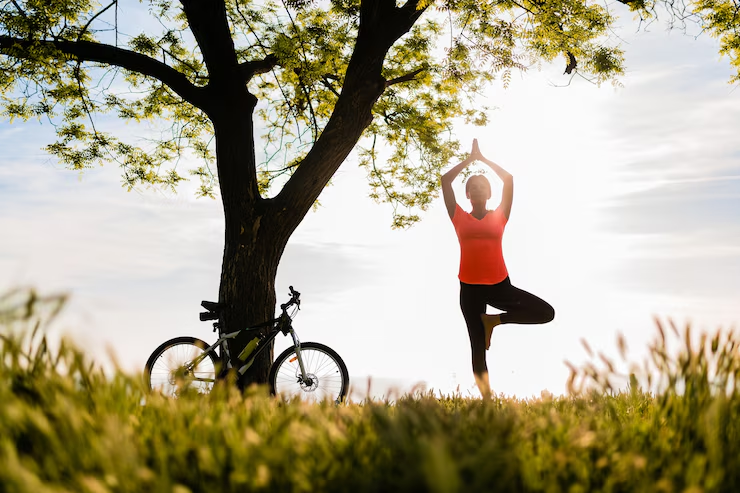

News Mail Magazine highlights the increasing importance of embracing a lifestyle centered around wellness and balance. In today’s fast-paced, always-connected world, finding harmony between physical health, mental well-being, and emotional fulfillment is more essential than ever.
But how do we get there? The answer lies in adopting habits that nurture the mind, body, and soul while aligning with your personal goals and values.
What is Wellness?
Wellness is more than just the absence of illness. It’s a proactive process of becoming aware of and making choices toward a healthier, more fulfilling life. Wellness is holistic and encompasses several dimensions:
- Physical wellness
- Mental and emotional wellness
- Social wellness
- Spiritual wellness
- Occupational wellness
Each dimension supports and influences the others, forming a comprehensive approach to living well.
Why Balance Matters
Balance is the glue that holds wellness together. Imagine trying to be fit physically but constantly stressed—true health remains out of reach. Balance ensures that no area of your life is overemphasized or neglected. It’s about managing priorities, setting boundaries, and taking care of your needs without guilt.
Signs You’re Out of Balance
- Constant fatigue despite sleeping
- Mood swings and anxiety
- Lack of motivation or joy
- Trouble concentrating
- Feeling overwhelmed by everyday tasks
Recognizing these signs is the first step toward restoring balance.
Building a Wellness-Centered Routine
Creating a lifestyle that supports wellness and balance requires intentional daily choices. Let’s explore some practical ways to build that routine:
Nourish Your Body
Fuel your body with nutritious food. Choose whole grains, colorful vegetables, lean proteins, and healthy fats. Hydration is just as vital—aim for at least 8 glasses of water a day.
Tip: Keep a food journal to track your energy levels and mood.
Stay Active
You don’t need to run marathons. Even 30 minutes of walking, dancing, or yoga daily can significantly improve your physical and mental health.
Try This: Take walking meetings or stretch breaks during your workday.
Prioritize Mental Health
Your mental well-being affects every part of your life. Practice mindfulness, meditation, or deep breathing exercises. Journaling is another excellent way to declutter your mind and process emotions.
Respect Your Sleep
Sleep is your body’s natural reset button. Aim for 7–9 hours each night. Stick to a consistent bedtime routine and limit screen time before bed.
Avoid: Caffeine or heavy meals before sleep.
Cultivate Connections
Positive social interactions boost mood and reduce stress. Surround yourself with supportive people, and don’t be afraid to ask for help.
Join: Community groups, fitness clubs, or book circles.
Feed Your Soul
Spiritual wellness doesn’t have to be religious. It’s about finding purpose, practicing gratitude, and connecting with something bigger than yourself.
Practice: Daily affirmations, nature walks, or volunteering.
Workplace Wellness
A balanced lifestyle should extend to your work. Here’s how:
- Take regular breaks during long tasks
- Set boundaries for work hours
- Avoid multitasking—focus on one task at a time
- Keep a clean, calming workspace
Employers are also prioritizing mental health and wellness programs, a trend that’s here to stay.
The Role of Technology
While digital wellness apps and fitness trackers help, excessive screen time can drain you. Create tech-free zones in your day—perhaps during meals or an hour before bedtime.
Tip: Use the “Do Not Disturb” mode and schedule “digital detox” weekends.
Nutrition and Mood: A Powerful Link
What you eat directly affects how you feel. Omega-3s, B-vitamins, and magnesium-rich foods help fight anxiety and depression. Sugar and highly processed foods can do the opposite.
Balance, not restriction, is key. It’s okay to enjoy your favorite treats in moderation.
Creating a Personalized Wellness Plan
Everyone’s wellness journey is unique. Start small:
- Write down your wellness goals
- Pick one habit to change per week
- Track progress with a journal or app
- Celebrate wins—big or small
Your plan should evolve as your life does.
FAQs
Q1: What’s the first step to a balanced lifestyle?
A: Start by evaluating your current routine. Identify what areas—physical, emotional, or spiritual—feel neglected and begin making small, consistent changes in those areas.
Q2: How can I stay motivated on my wellness journey?
A: Set realistic goals and celebrate progress. Surround yourself with supportive people and consider joining wellness communities or finding an accountability partner.
Q3: Can I achieve wellness without a gym or expensive resources?
A: Absolutely! Wellness is about daily habits. Walking in nature, home workouts, meditation, and eating fresh, unprocessed food are free yet powerful tools.
Q4: How does stress impact overall wellness?
A: Chronic stress disrupts sleep, digestion, and emotional balance. It weakens immunity and can lead to serious health issues. That’s why managing stress is a core part of wellness.
Q5: Is there such a thing as too much wellness?
A: Yes. Obsessing over perfection can lead to stress and disordered behaviors. Balance is about flexibility, not rigidity. Listen to your body and mind.
Conclusion
A happier, healthier lifestyle is not a destination—it’s a daily journey grounded in mindfulness, intention, and balance. By nurturing your body, honoring your emotions, and making space for joy, you’re not just surviving—you’re thriving.